NSCAD University — MFA Program — Semester Review · Fall 2025[ back ]
Jonathan Carroll
The Wrong John Carroll · Nickel Nail Curtain Kelp · Place-Based AR · Bread — MFA Semester Review · Fall 2025
My thesis focuses on my great grandparents’ generation in Sydney, Cape Breton — stories that all begin elsewhere and end at the steel mill in the 1920s. Work across installation, interactive archive, augmented reality, song, and fermentation.
Projects
Installation · Archive · Altar
The Wrong John Carroll
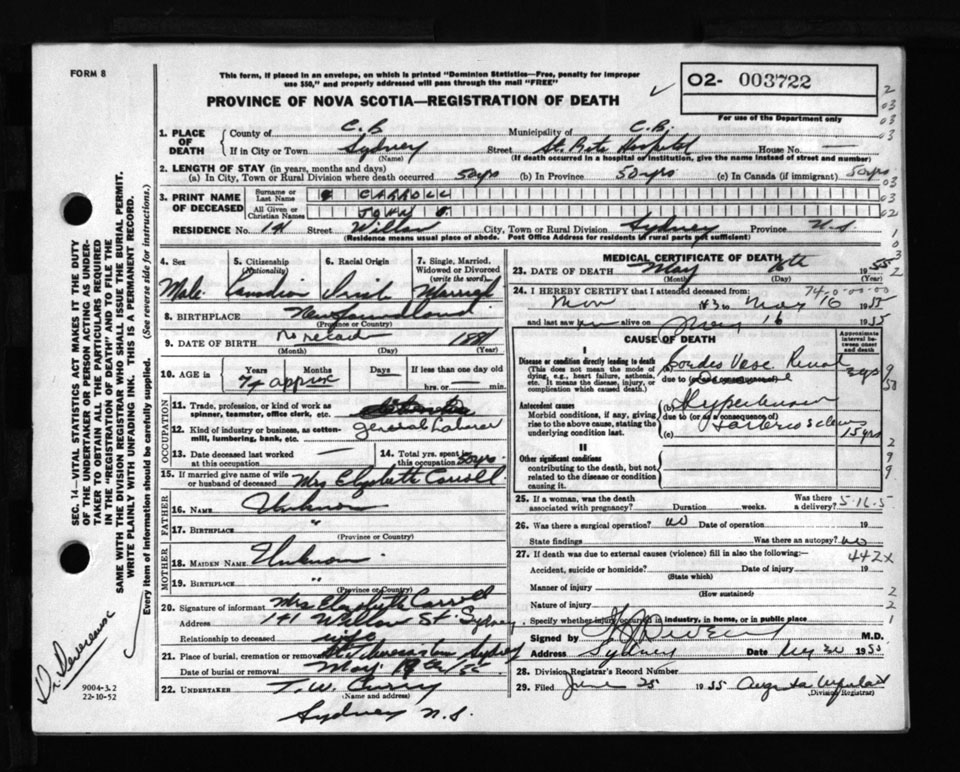
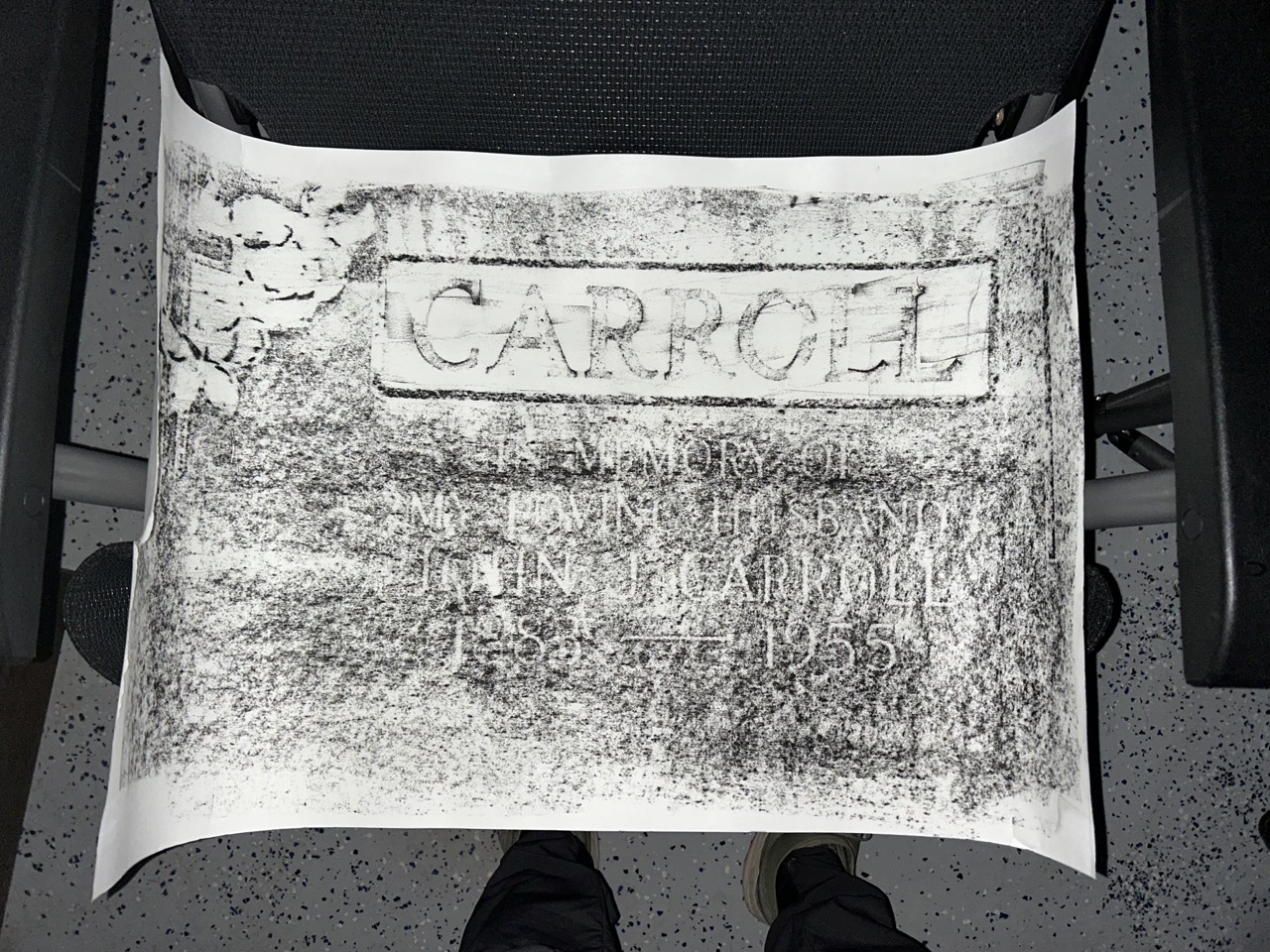
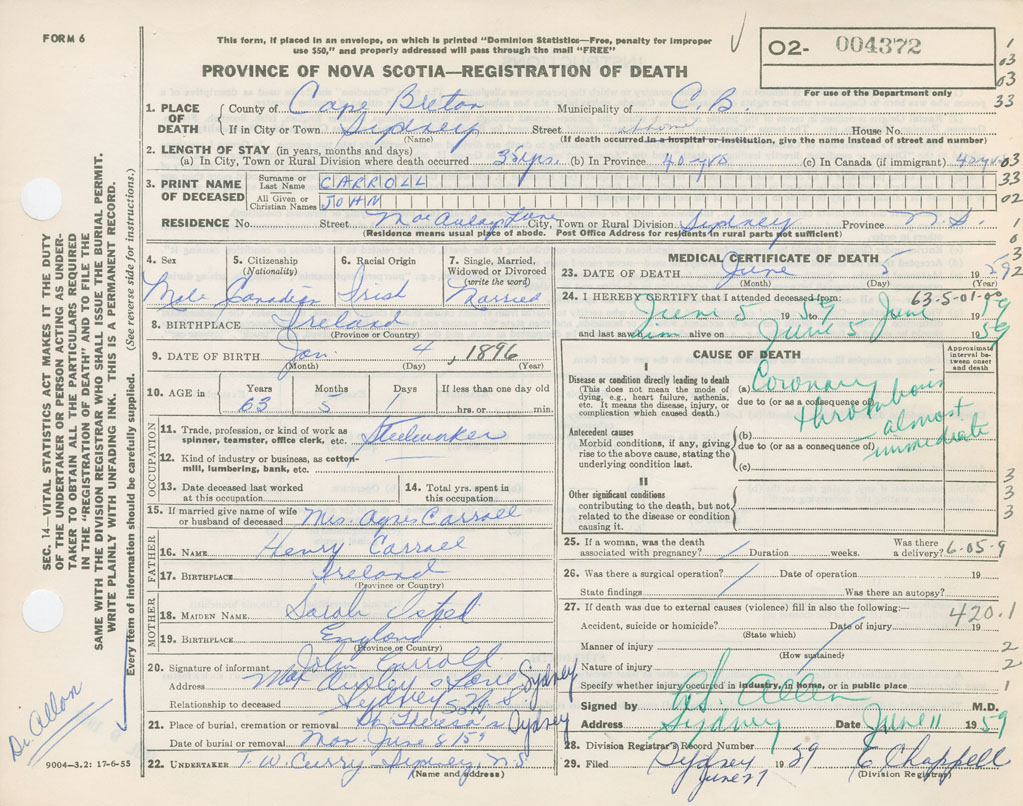
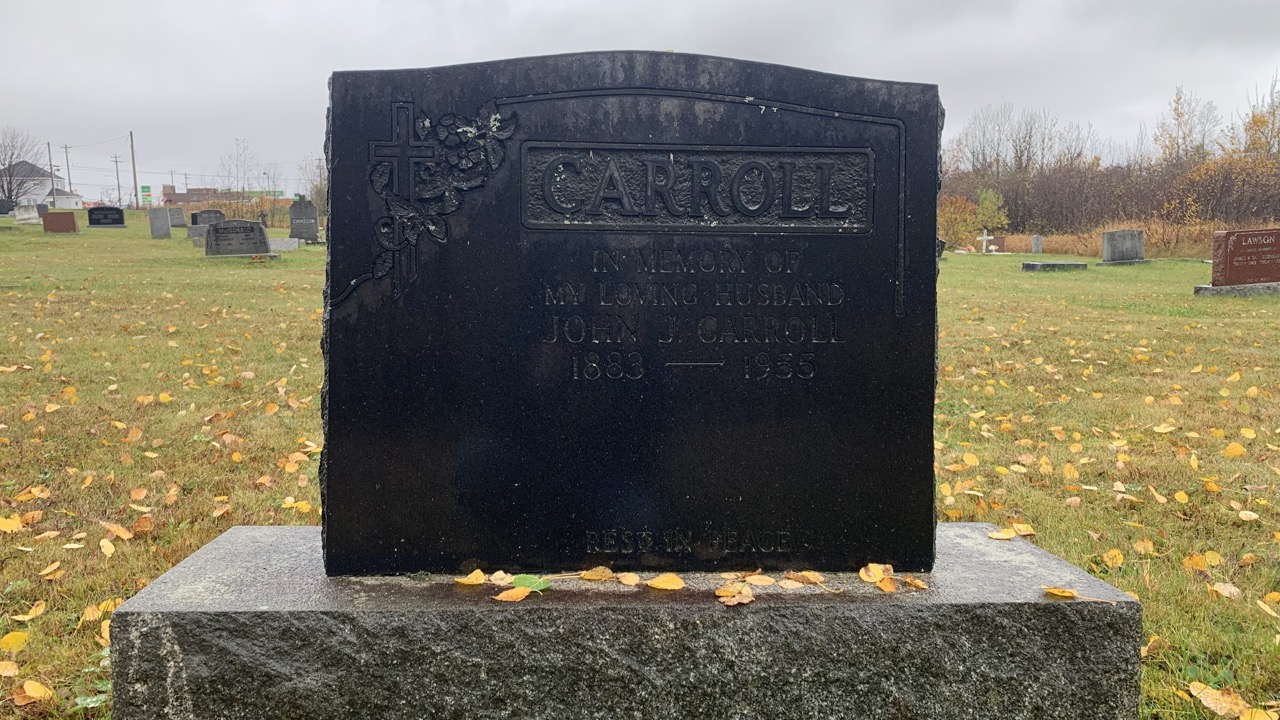
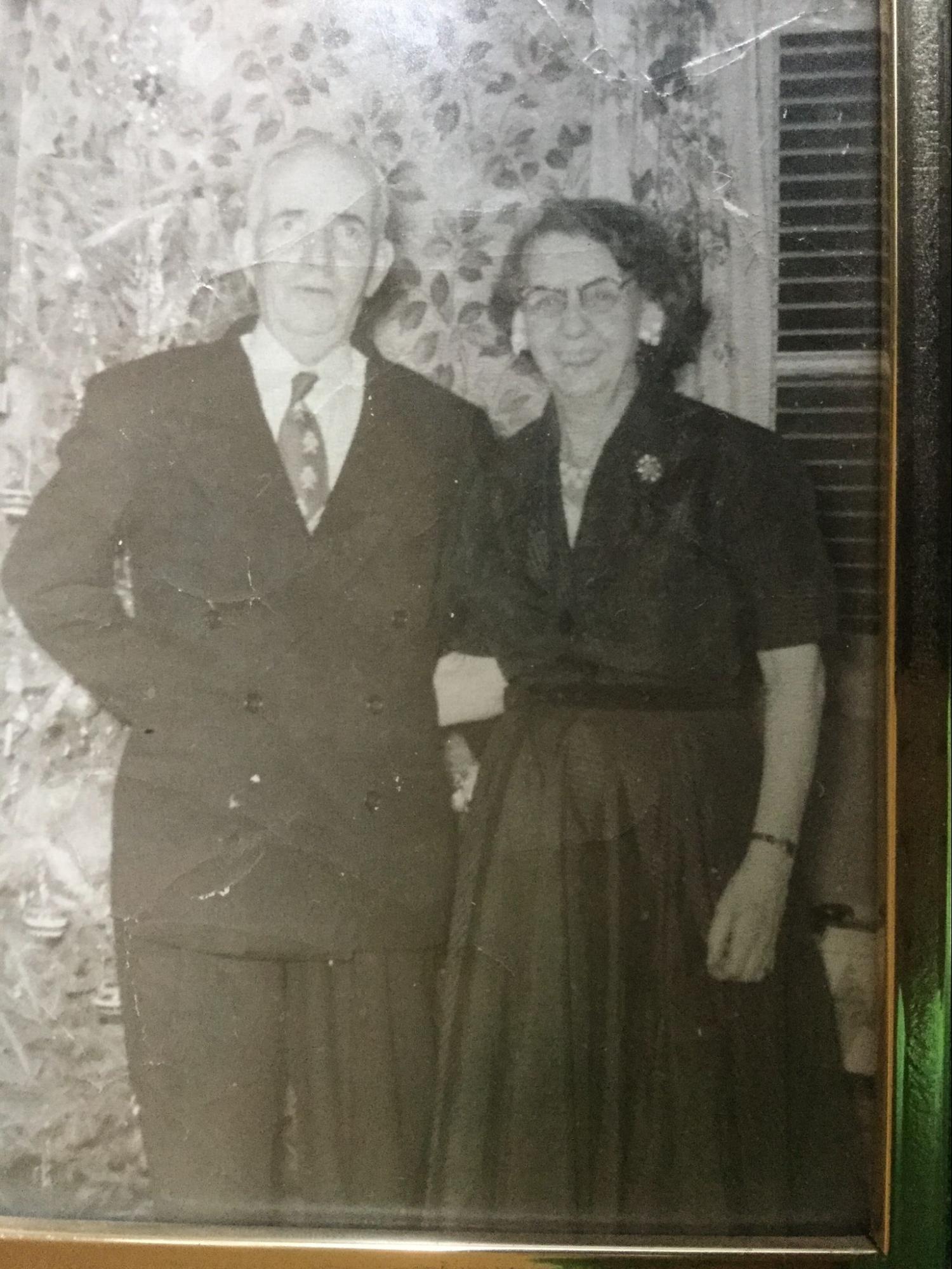
On Halloween I was crawling around Saint Theresa’s Cemetery in Sydney, looking for my great grandfather’s grave. I found the wrong John Carroll — dates slightly off, confirmed by death certificate. My father was commissioned to do a grave etching of this unrelated John.
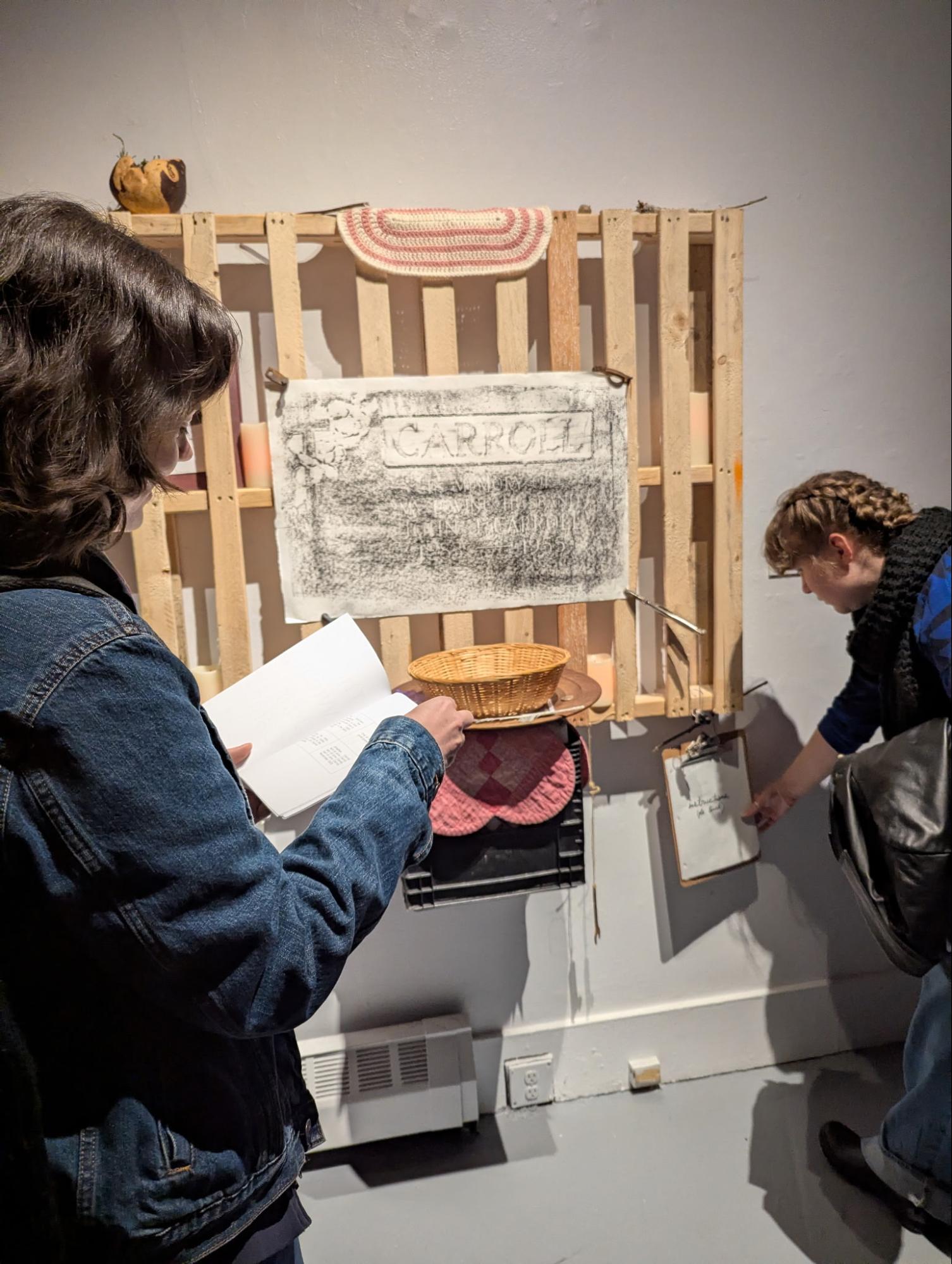
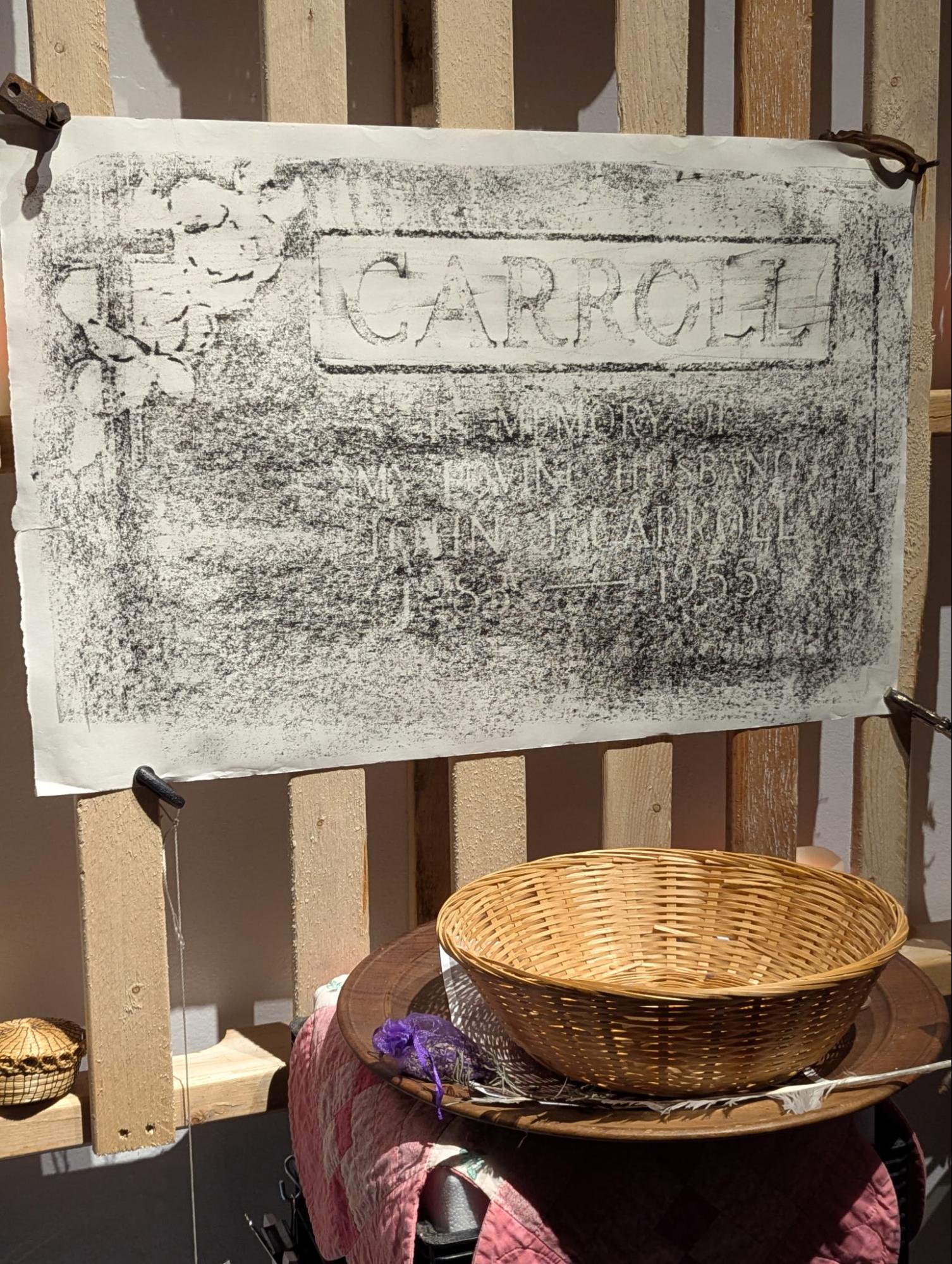
Installation view — pallet altar with objects referencing all my Johns
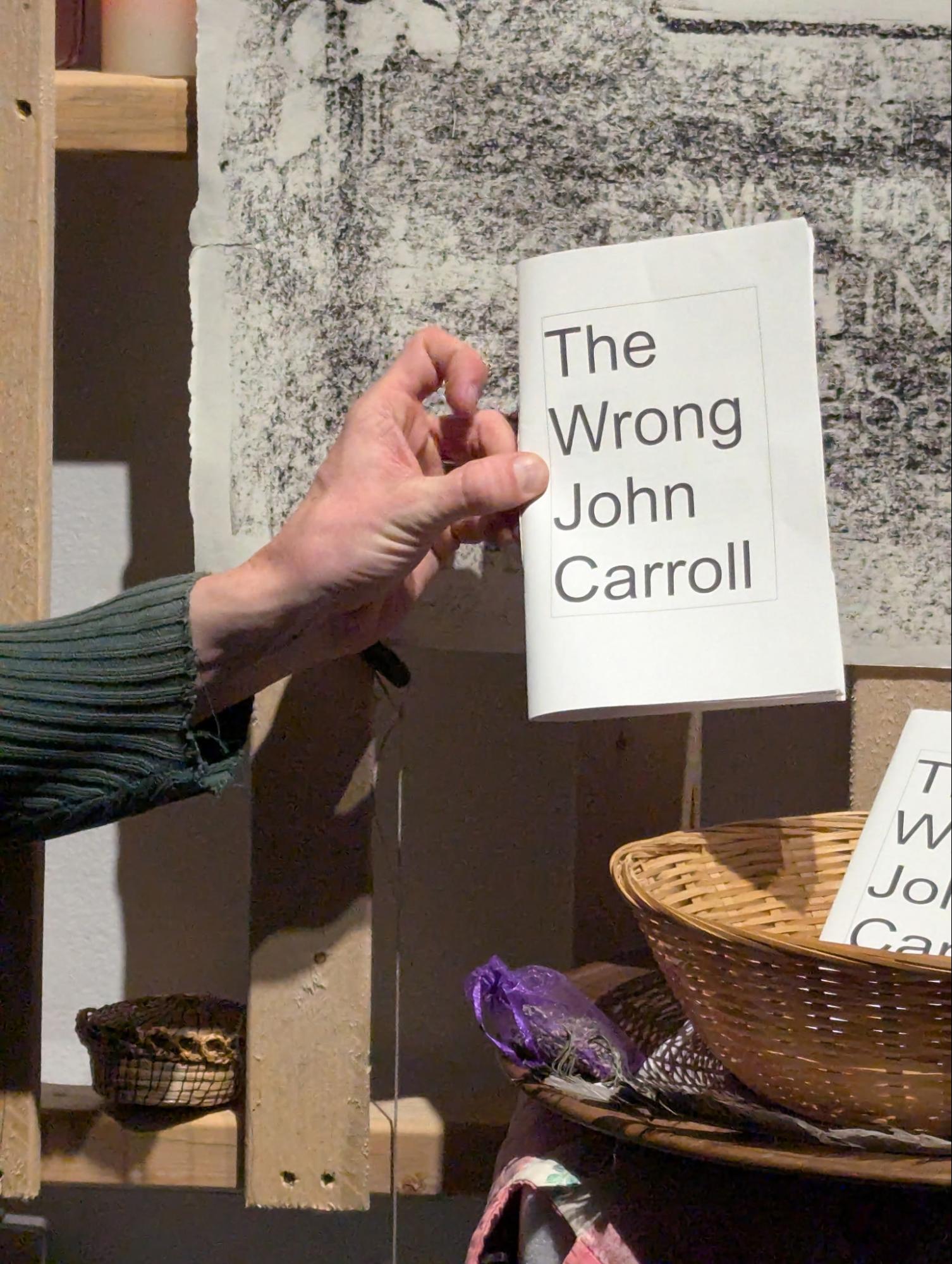
Grave etching, Saint Theresa’s Cemetery, SydneyHand-bound booklet linking documents to the interactive archive
A grave etching, a collection of documents, a hand-bound booklet with QR codes linking to an interactive online archive.
A pallet altar replete with objects referencing all my Johns. Anyone can ask questions of the documents via the online portion.
“Archivomancy”: a divinatory tool for communing with ancestral documents. Generative role-play between visitor and archive.
The “archive confusion” created by both the presence and absence of documents is itself the subject.
Death certificates, obituaries, archival documentsDocumentation of the archive interface
Installation detailInstallation detail
“The etching is a cheeky attempt to add to the document problem by creating more documentation.”
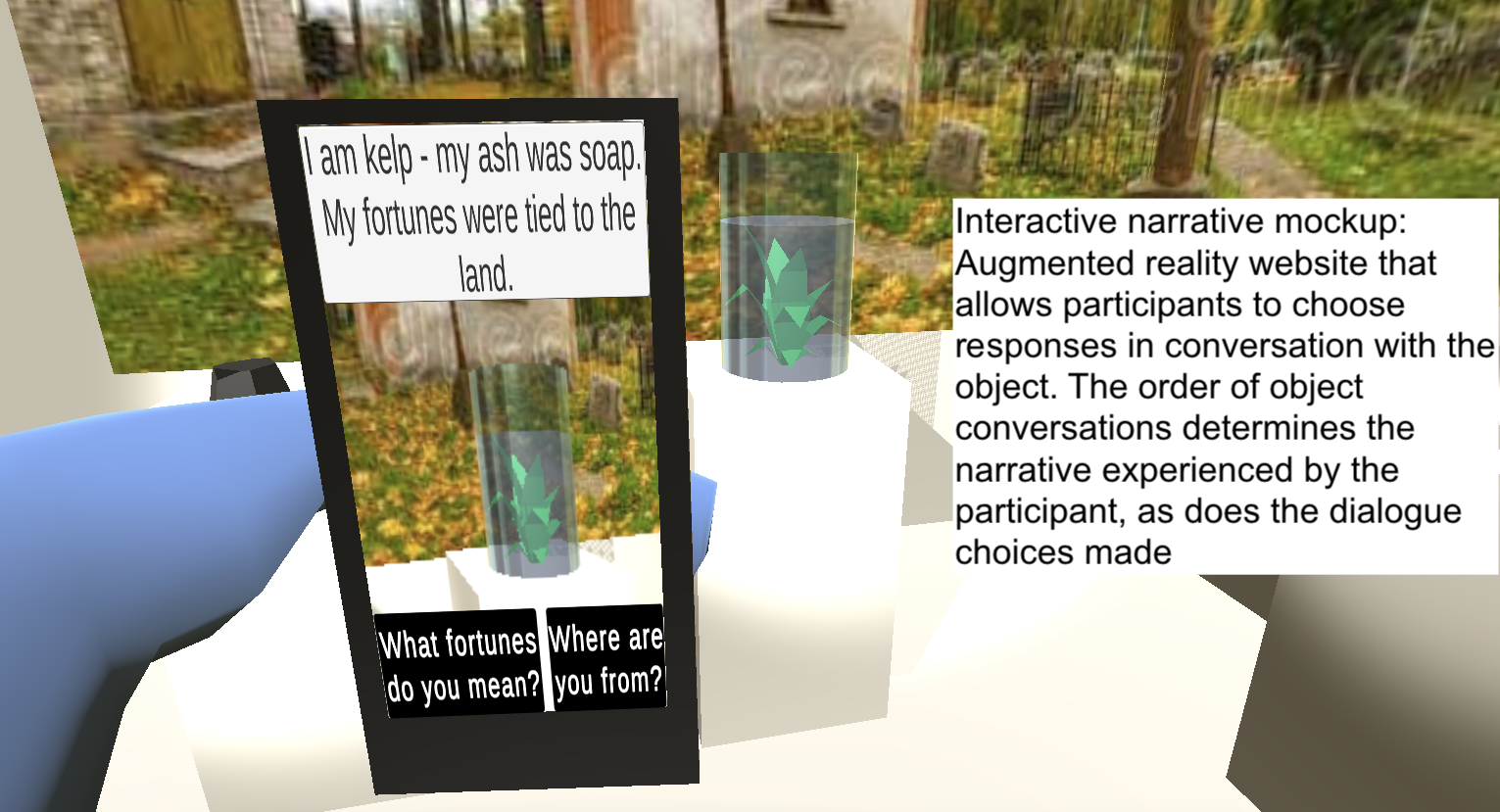
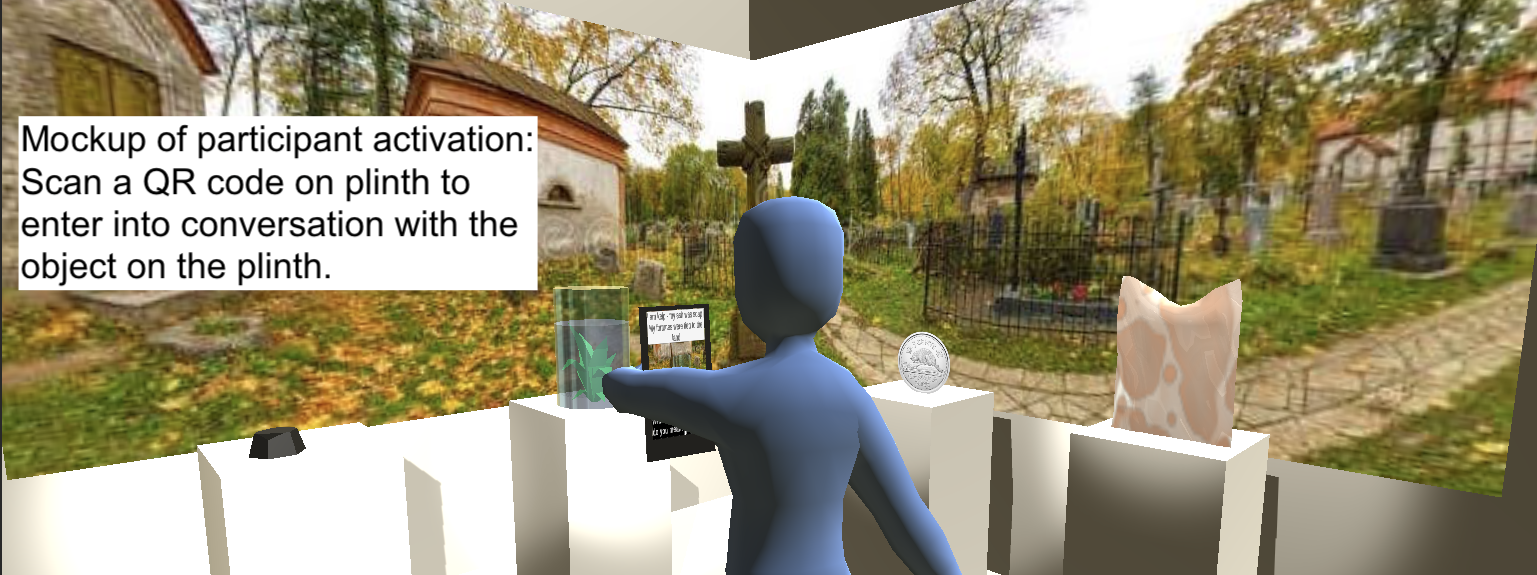
A speculative proposal created with Logan, Jessie, and Kuhleen. Four objects — kelp, nail, curtain, nickel — each a character in a commodity history that is also a family history. Viewers prompt the objects with pre-authored questions.
Proposal mockup: participant scans QR code to enter conversation with object on plinth
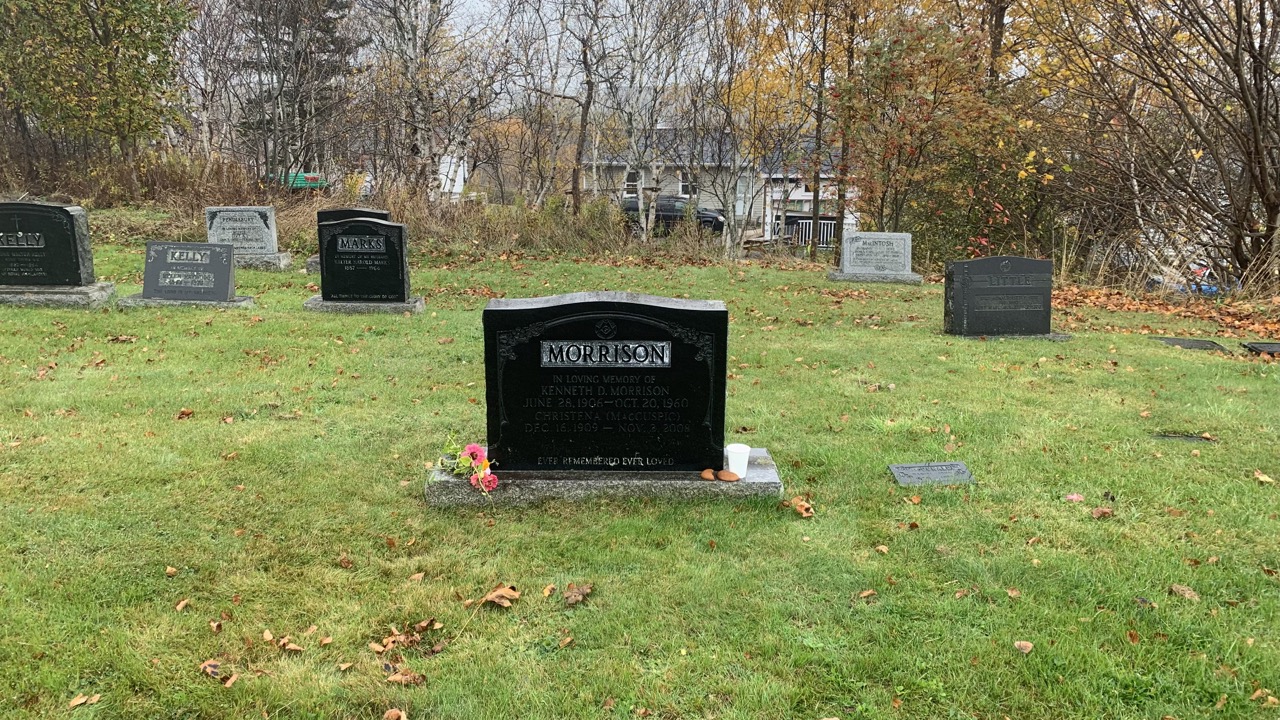
Interactive narrative mockup — AR website with dialogue choicesMorrison gravestone, Cape Breton — Kenneth B. Morrison, 1904–1960
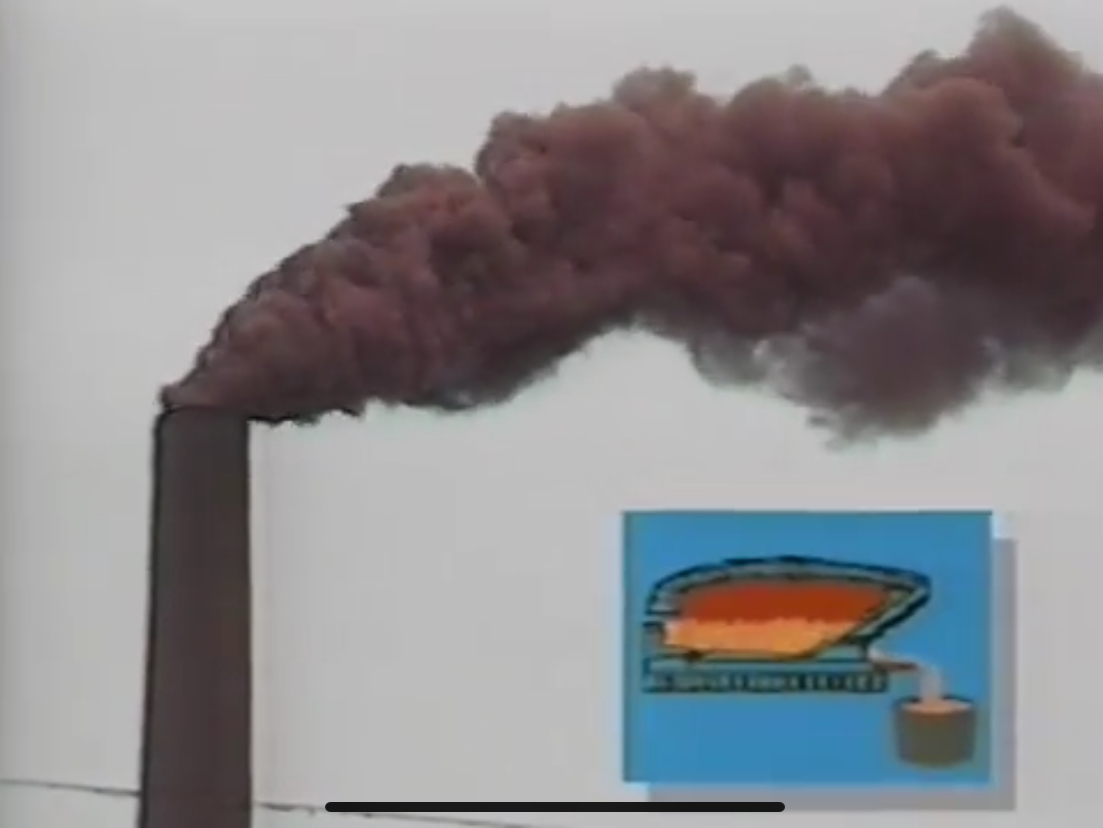
Kenneth Morrison worked the nail mill at Sydney Steel from age 16 to 54, then dropped dead at his door on the way to church.
Objects act as totems of migration, labour, and care; they avoid the representational complexity of rendering ancestors directly.
Character-driven approach expands on the narrative authoring technique from The Wrong John Carroll archive.
Augmented reality website: narrative agents at key Sydney sites, dialogue choices shape the story.
“I am kelp — my ash was soap. My fortunes were tied to the land.”
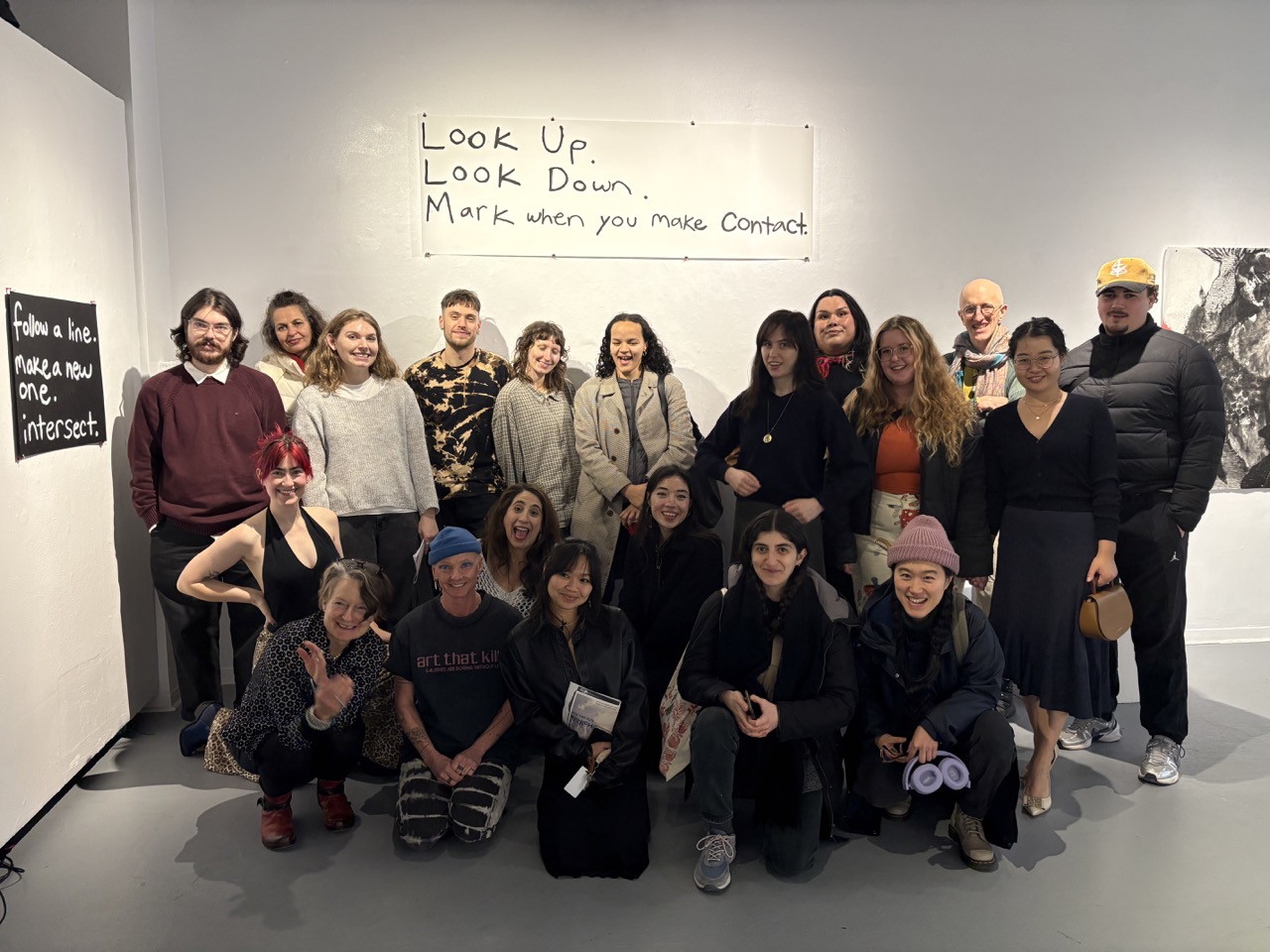
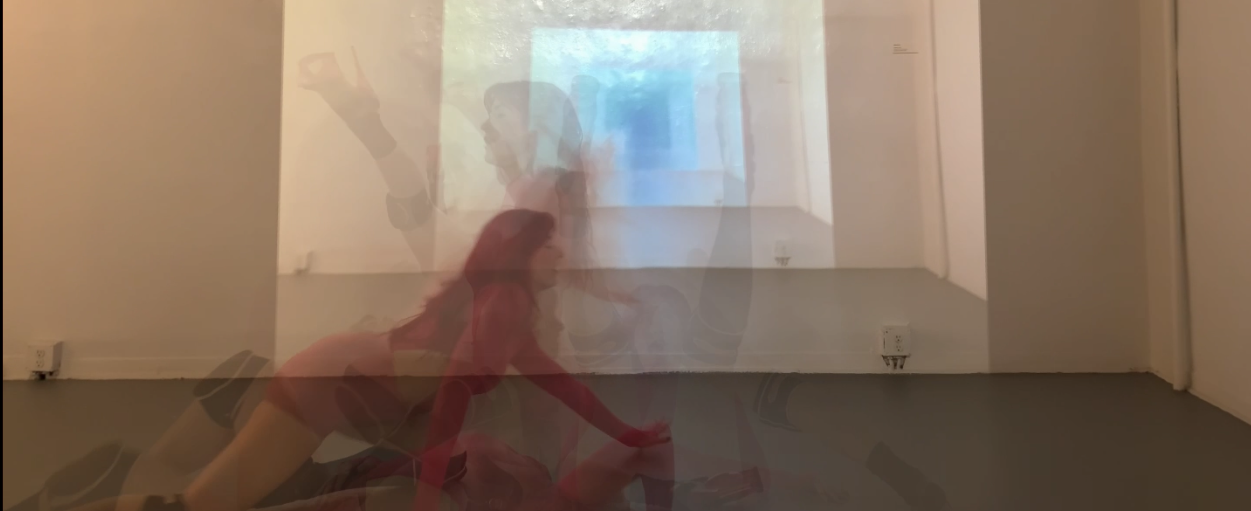
Collaboration is crucial to the practice. Logan proposed a group show for winter semester exploring resource extraction and rural out-migration. A live looping layering video drag performance with Melanie was assembled at 10pm the night before opening.
MFA group show submission formCollaboration documentation
Designed the MFA group show submission form, which displays all submissions and affords editing.
Wrote exhibition text for the group show title.
Helped make sounds emanate from Nadine’s Monster Conference costume via VR headset and Bluetooth speaker.
Community organizing around contract bargaining between the union and the school.
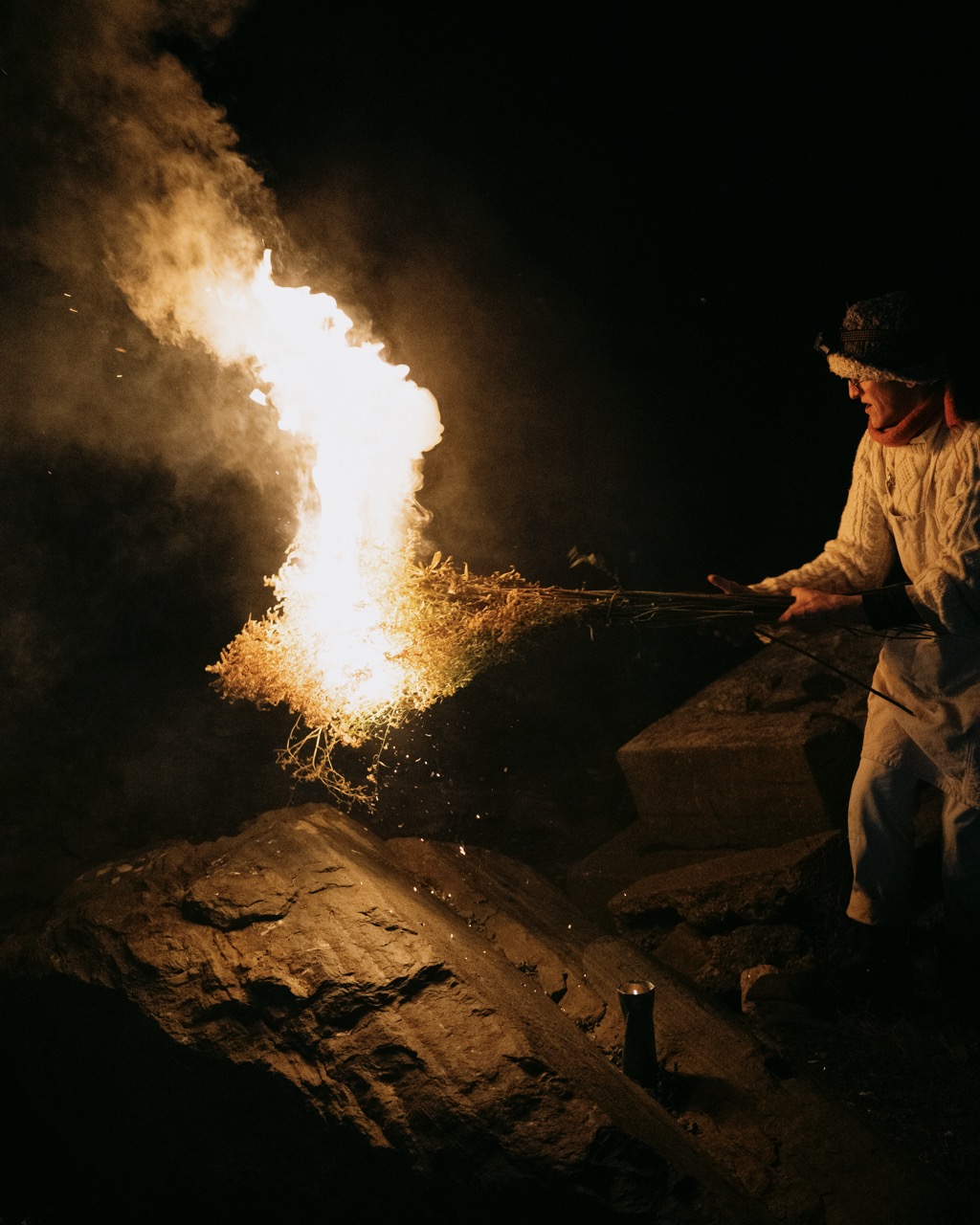
Beaver moon ritual at Point Pleasant: bread, soup, burning goldenrod effigy.
“The willingness to take risks and experiment, and the trust to do that in collaboration, are beautiful things.”
“Through common striving we deepen our bonds.”
Research
Research · Grant · AR
CIHR Grant Proposal
A research-creation grant proposal addressing critical narrative gaps in environmental health communication. Cape Breton’s sanitized steel industry histories obscure links between industrial pollution and intergenerational autoimmune illness.
Grant proposal documentation — geolocated AR methodology
Research question: How can site-specific, browser-based AR artwork, co-created with community knowledge users, function as a Knowledge Translation tool?
Methodology: guided story sessions with family as primary knowledge users, synthesized with archival research to create geolocated AR experiences.
Narrative agents (toxic dust particle, dust-laden curtain) at key Sydney sites make invisible links between political economy, environmental epigenetics, and embodied health tangible.
“Why am I sick? And what would have to change for me to not have been sick?”
Created for Nicolle Lee’s Pedagogy class. Participants co-create digital artworks responding to place using Augmented Reality as medium for worldbuilding.
AR lab: course documentationStudent work from the AR lab
Three main projects: Pets (image-based AR), Ghosts (geolocated AR), Land (place-responsive AR).
Students build place-responsive AR experiences and critically analyze digital art material realities.
Technological interventions consider obscured aspects of digital technology: the spiritual, environmental, bodily.
Research approaches include academic, embodied, and magical practices.
“We use technological interventions to consider obscured aspects of digital technology: the spiritual, environmental, bodily.”
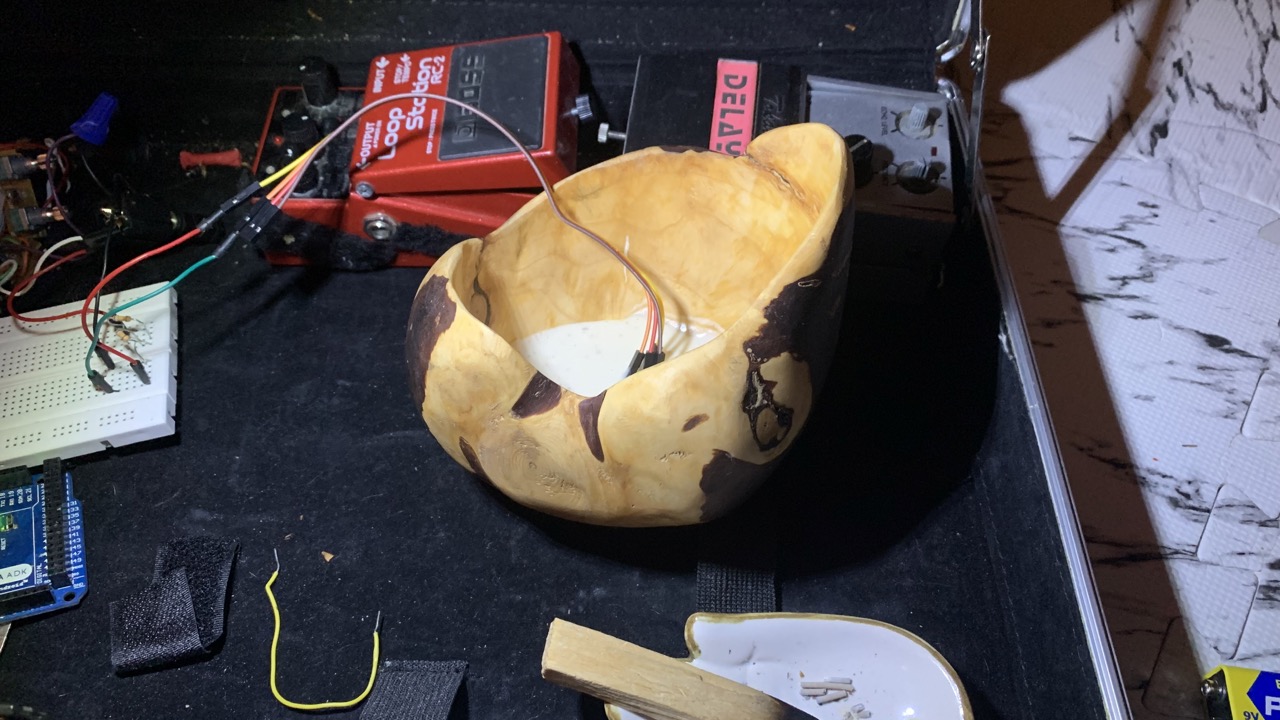
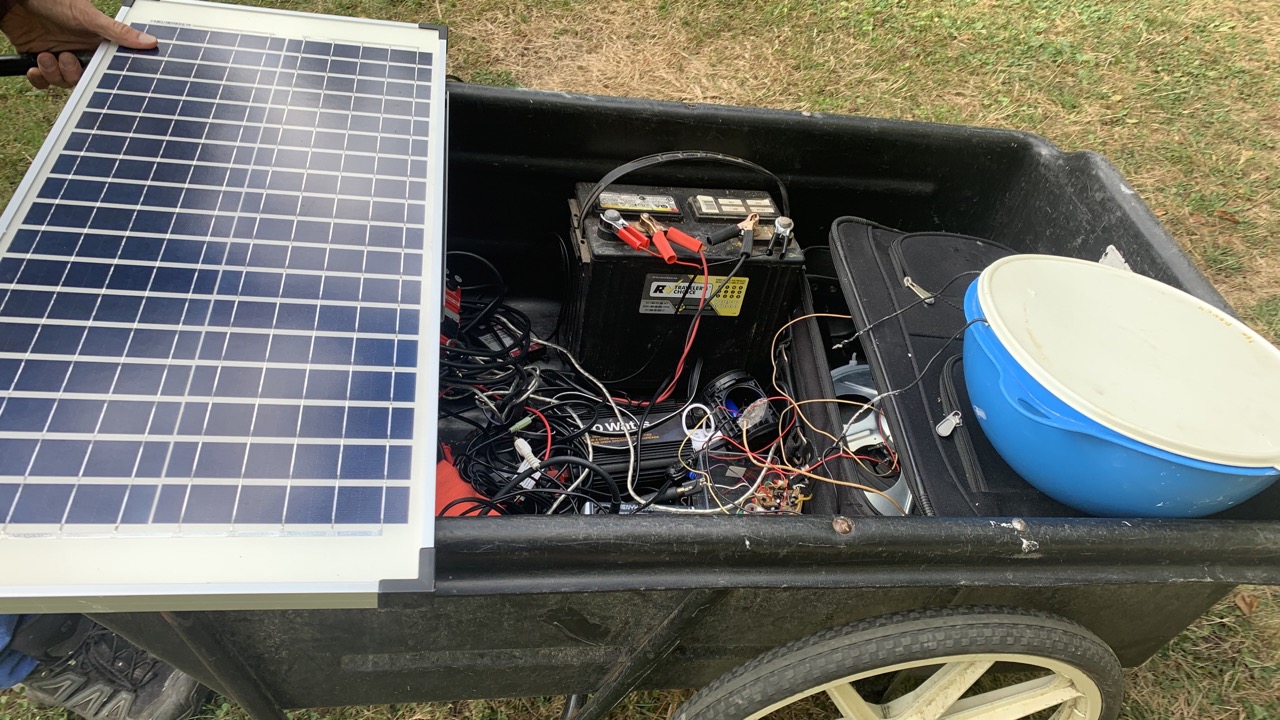
Created for Land & Parks class. A sourdough starter used to generate an electrical signal, amplified and output through a sound system powered by solar panel — first prototyped at Kejimikujik.
Bread altar — Land & Parks show opening. Sourdough starter as bioelectric signal source.
The bread’s bioelectric signal is amplified and made audible outdoors.
Bread was made outside the gallery during the opening of the Land and Parks show.
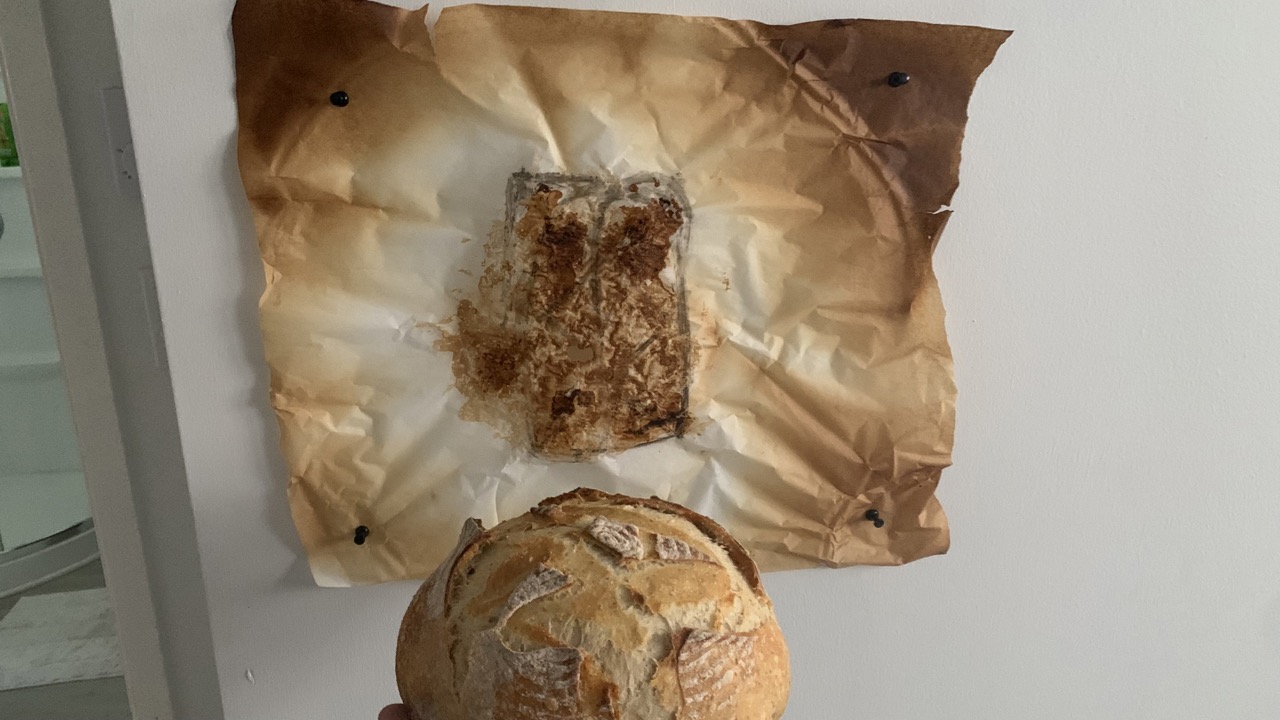
Bread prints created during baking were hung in the show.
A sigil workshop shared the practice with others.
“Fermentation as signal. Kitchen process as sound process.”
The thesis will focus on geo-located digital artworks about connections between land, body, and family history in Sydney, Cape Breton. Health outcomes from living near Sydney Steel as an entry point into political economy, environmental epigenetics, and intergenerational memory.
Develop narrative voice co-creatively through interactive archive.
Collaborate creatively with family members.
Pursue site-specific digital work alongside gallery presentation.
The archive itself becomes a tool for discovering — and performing — ancestral memory.
“I want to develop a narrative, a voice, co-creatively. What lessons do I take from John Carroll to my future projects?”